Winter 2026 | Four Solo Exhibitions
Esker Foundation is excited to present the work of Anthony Cudahy, Justin de Verteuil, Magalie Guérin, and Alexandre Pépin.
In four solo exhibitions each painter, in their own way, locates fleeting instances of connection, tenderness, or desire amidst the everyday, and revels in uncertainty and complexity to offer a resistance against clear narratives and over-definition.
24 January –26 April 2026
Opening reception: Friday 23 January, 6-9pm Artists will be present.
Please direct press requests and all image enquiries to: Jill Henderson: [email protected] - direct tel: 403 930 2499
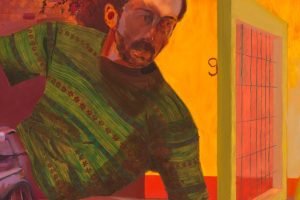
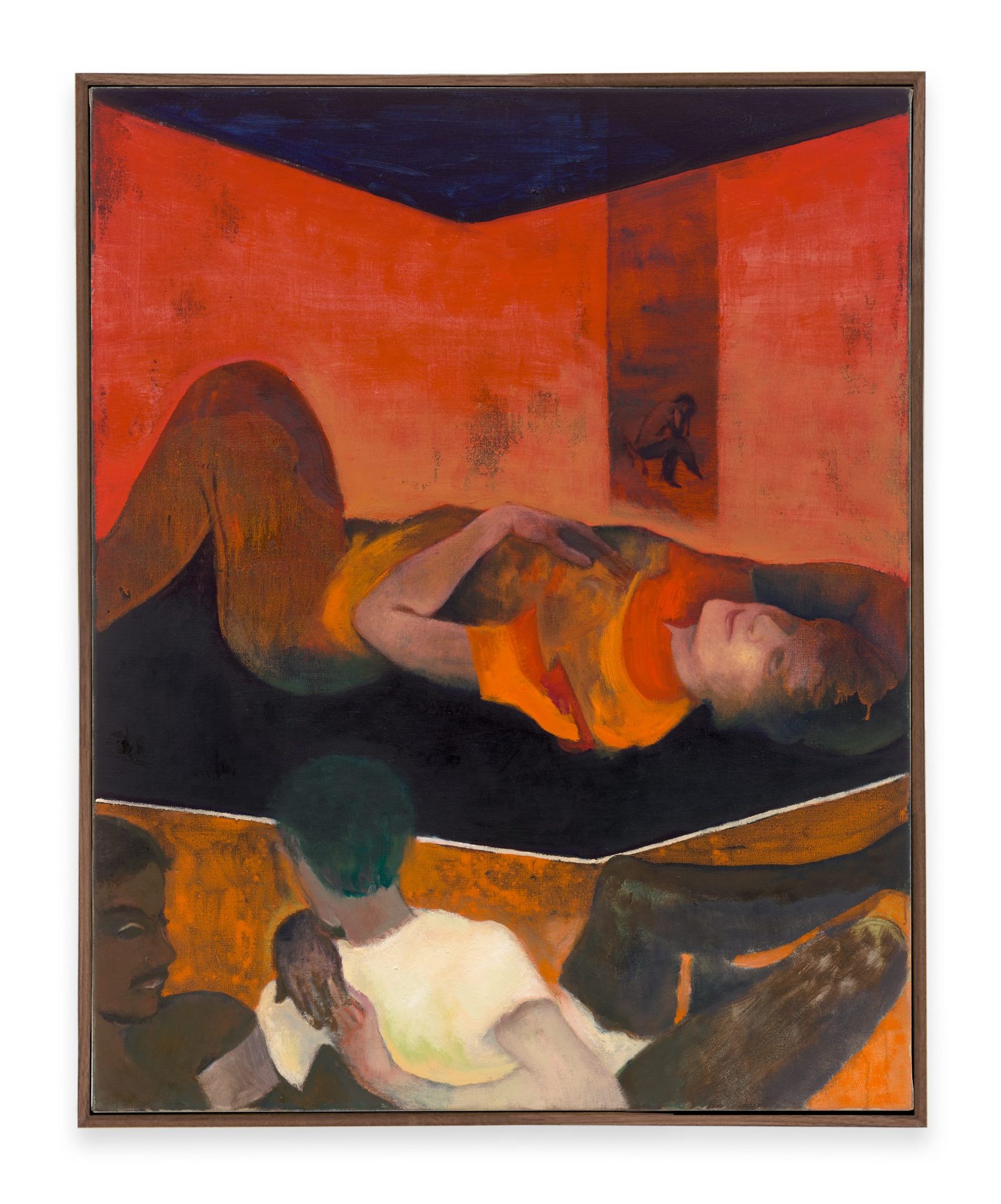
Anthony Cudahy uses a gorgeous and complex colour palette to draw our attention to specific instances of mundanity that can surprisingly and irreversibly punctuate the cadence of a life.
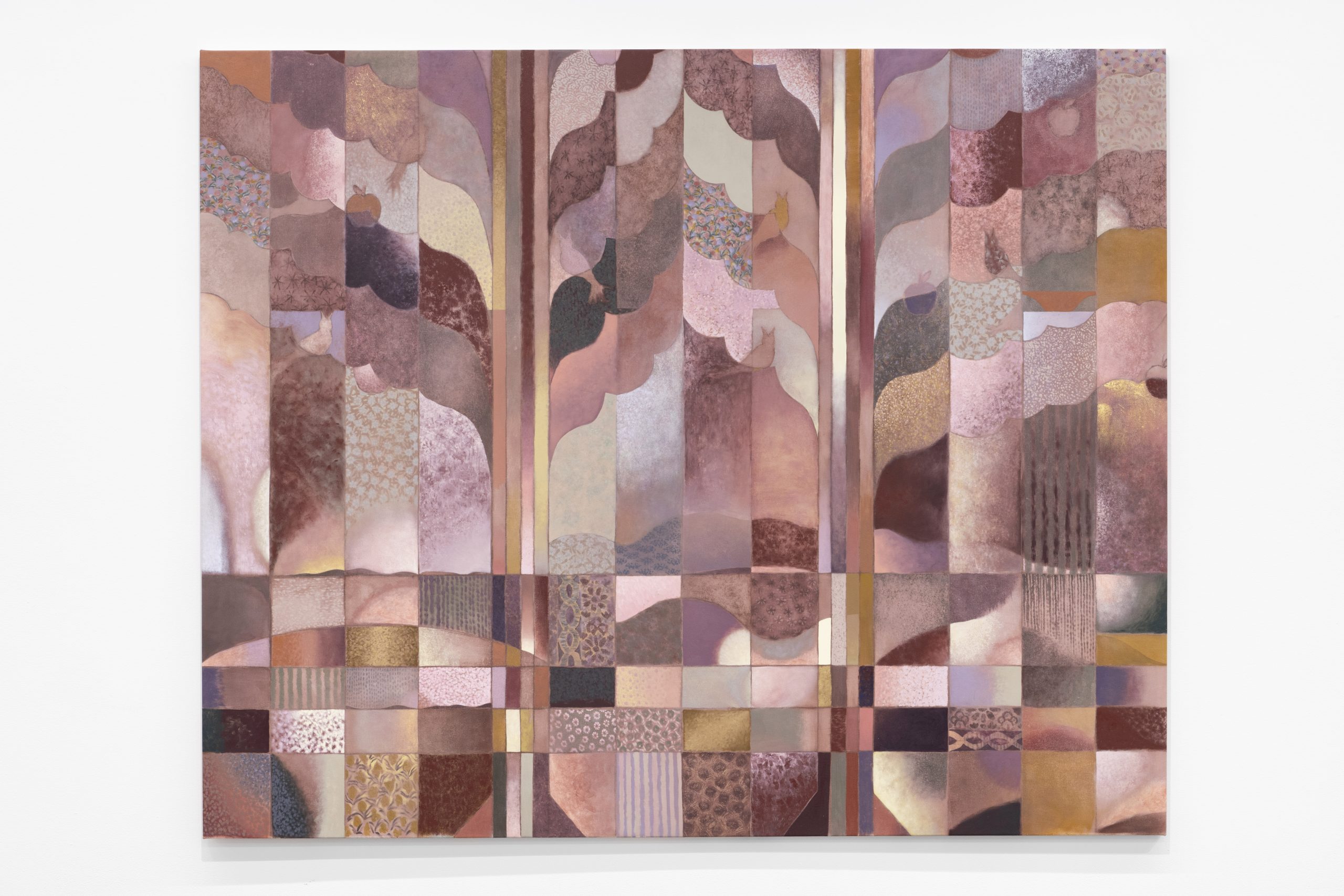
Alexandre Pépin creates compositions that hum with tension between hope or joy and the slippery, inelegant fallibility of the human body.
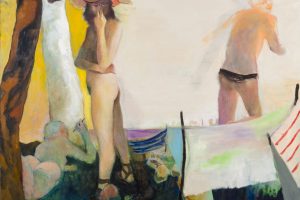
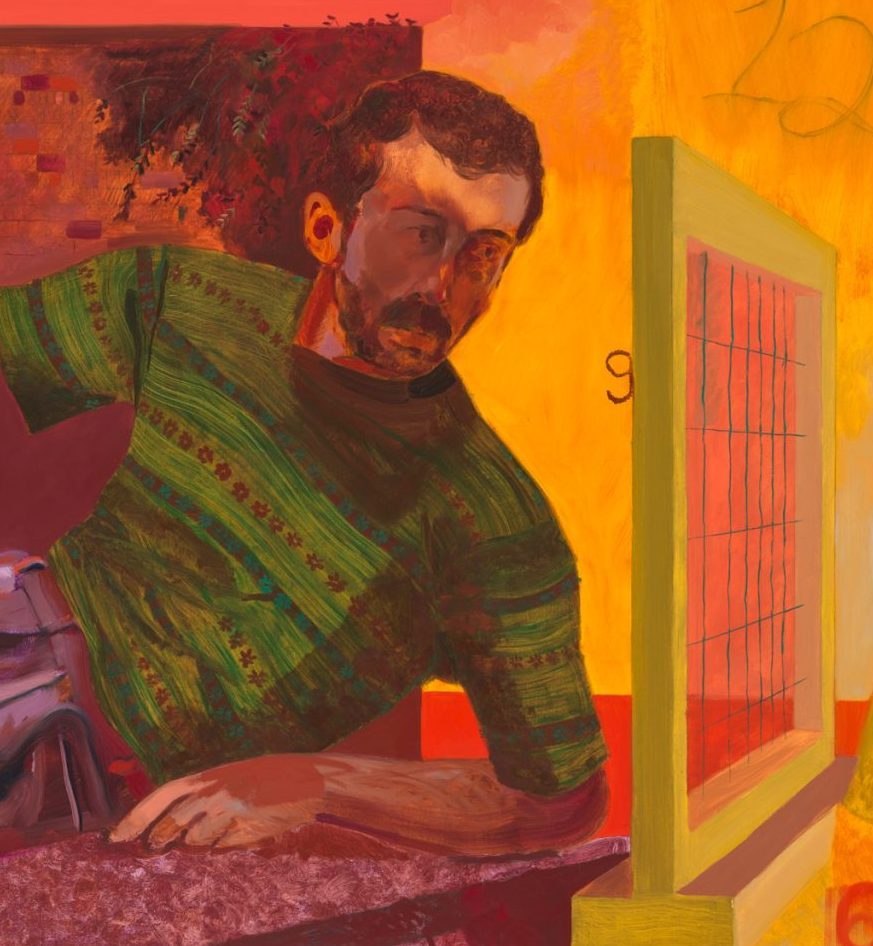
Justin de Verteuil’s works hover between legibility and uncertainty, capturing the fluidity of perception while also guiding us toward an emotional frequency that fades in and out of focus.
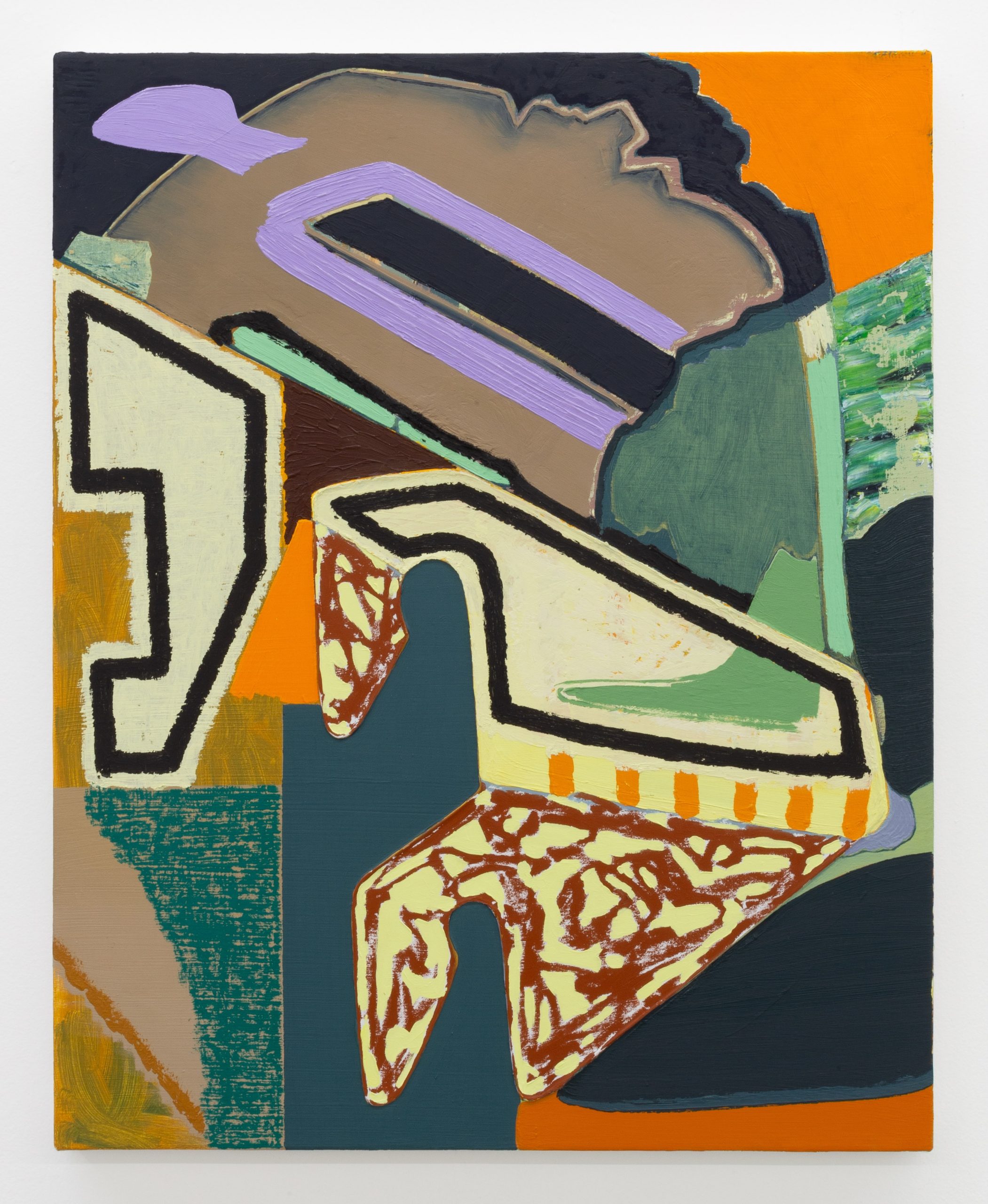
Magalie Guérin’s paintings are both playful and rigorous. Her compositions use colour and form to upend painterly conventions, offering instead a generative exploration of intuition and grounded knowledge.
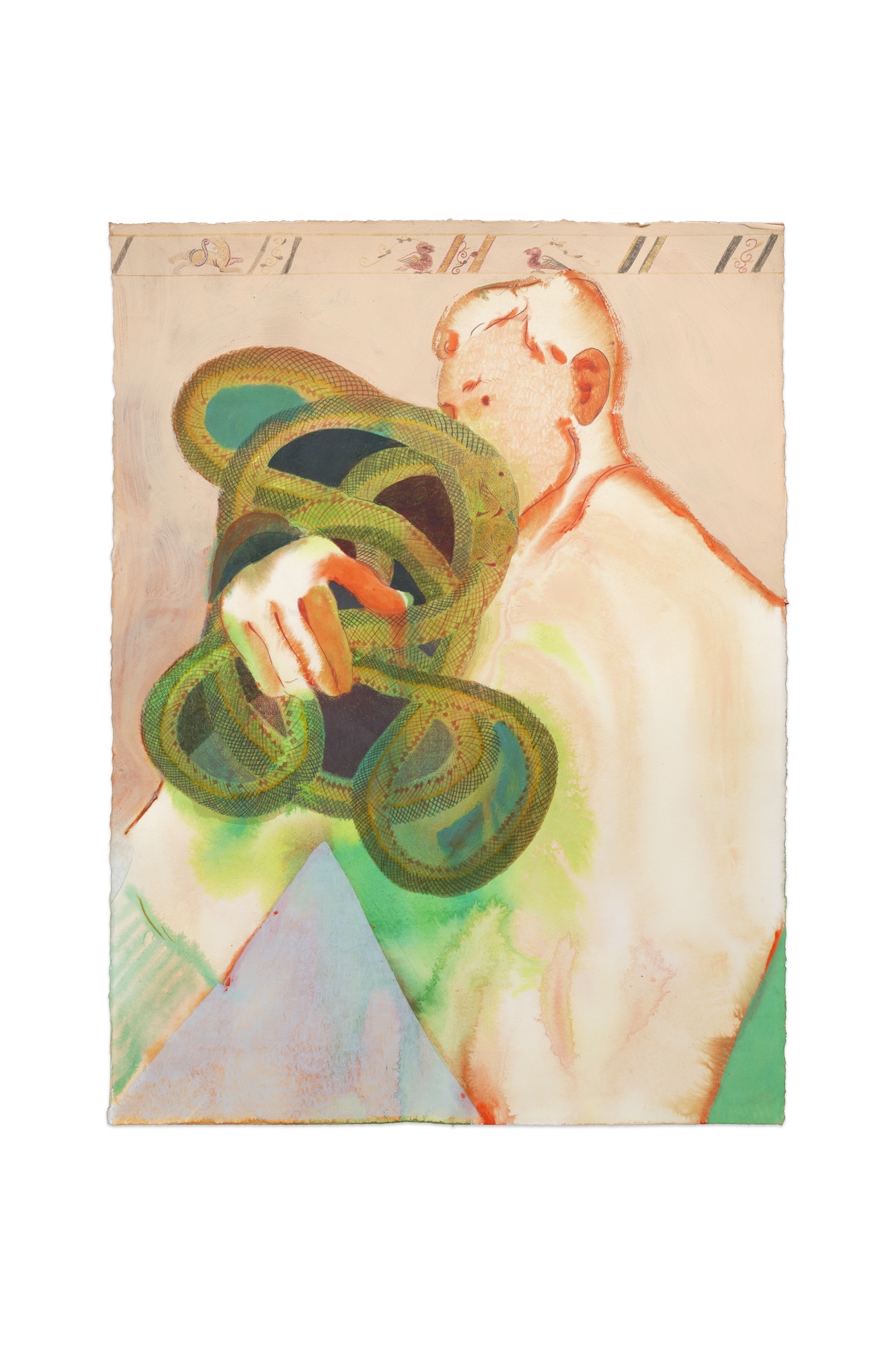
Anthony Cudahy metronome yawned
Anthony Cudahy paints narratively elusive images of queer intimacy and tenderness within everyday life. His work interweaves a myriad of symbols and references ranging from queer archives, art history, mythology, print ephemera, even fragments from his own paintings. While these references coalesce with a logic personal and idiosyncratic to the artist, his open-ended narratives gesture to the gradual accumulation of meaning within the flotsam of our own lives.
metronome yawned brings together new and recent works, with the exhibition’s starting point a selection of works on paper from a series entitled Like Night Needs Morning. A constellation of figures—some based on Cudahy’s close relationships, others culled from archives and images of crowds—rest, contemplate, embrace, and entangle their way through each hour of the day amidst allegorical gestures to cycles of life and death, light and dark. For Cudahy, painting is often a process rooted in attunement to the nuances and complexities of the everyday.
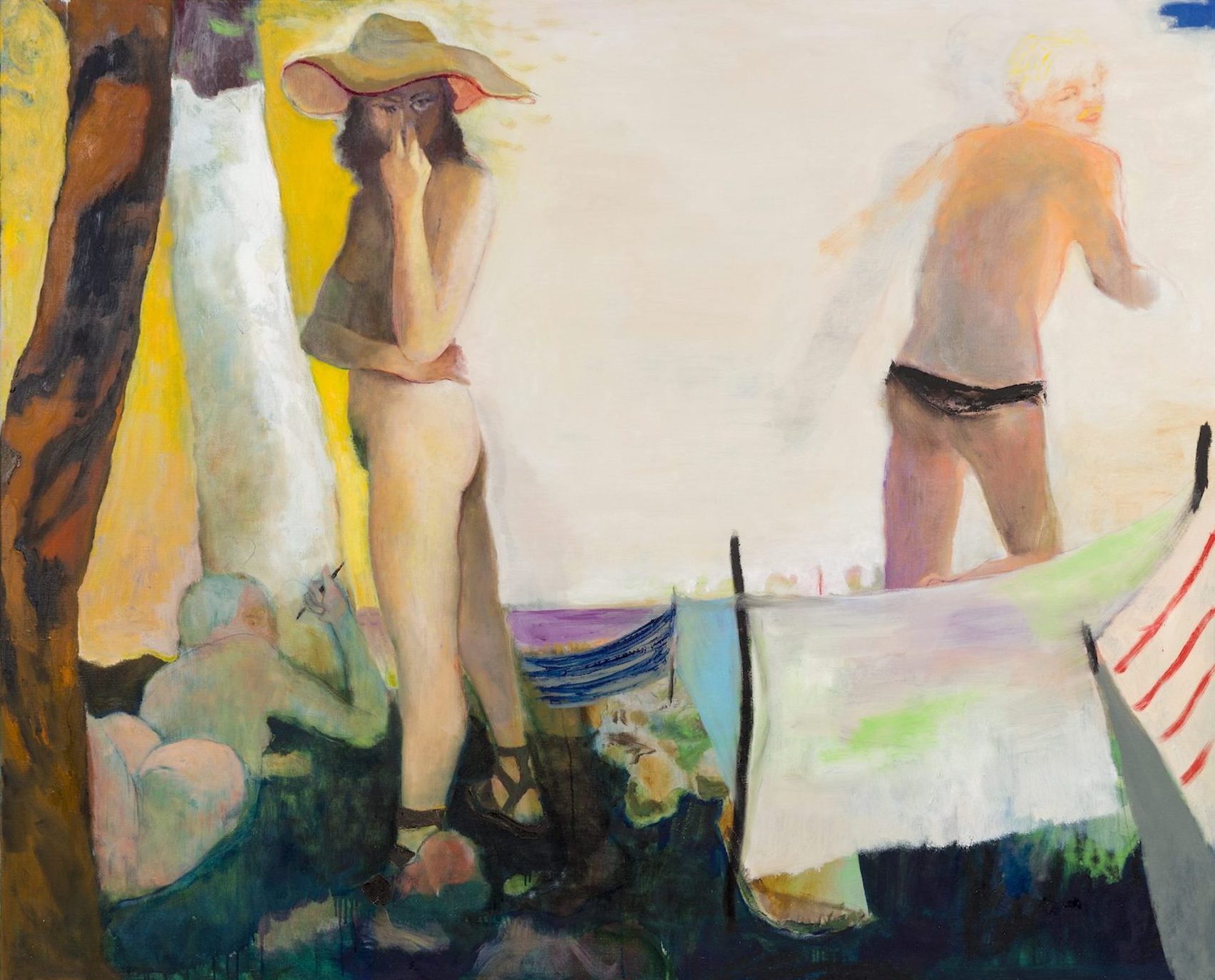
Justin de Verteuil sie will / muse. zur marionette
Justin de Verteuil’s paintings appear as images in the midst of becoming: compositions that have been coaxed slowly into focus, as if tuned across radio frequencies until a signal emerges from the ether and begins to take shape. His works hover between legibility and uncertainty, where memories shimmer into and out of focus, and the feeling of a time and place emerges before the specifics of a narrative do.
de Verteuil’s paintings generate meaning the way weather forms: gradually, atmospherically, out of shifting pressure systems of colour, gesture, and the fugitive traces of experience. de Verteuil draws his subjects from lived moments with friends and loved ones, time spent in resonant places, and the immediacy and nuances of life around him. However, these sources are mutable starting points; he paints through them, over them, under them, letting compositions accrue and dissolve. What eventually surfaces is not an illustration of an event, but a state of perception suspended between remembering and imagining.
Magalie Guérin Orange to Rattle
Magalie Guérin’s paintings often begin with what remains: she carries forward yesterday’s pigment, a trace of past works and decisions, as a provocation to begin a new composition. From this material residue she builds paintings that are both generative and iterative—they are works that remember and reference themselves even as they continually evolve, build, and refuse to settle.
Guérin’s works explore how colour and shape behave as subjects in their own right; they enter the pictorial space like characters with distinct temperaments, personalities, and roles: a vibrant chartreuse pierces its crooked hook near centre; a golden yellow hums at the sharp edge of an undulating beige plane; a mottled brown or pool of dark teal brace at the edges of the canvas; an intense orange announces itself like a flare.
Alexandre Pépin Lavender
Alexandre Pépin’s paintings locate fleeting instances of connection, desire, or joy within the everyday—two men entangled in tall grass, a single figure immersed in a verdant landscape, a pair of lovers reading side by side. His paintings are often catalyzed by a feeling of earnestness or sincerity. Through the process of painting and his specific alchemy of material, colour, line, and texture, Pépin complicates this initial feeling, giving visual form to the ambiguity and complexity of intimate relationships that can often elude language.
Line and geometry serve as a connective tissue within individual paintings and across Pépin’s broader body of work. His paintings are segmented into planes of fragmented space, a strategy that visually echoes quilt-making, stained glass, architectural drawings, or constellations. This geometric structure both confuses and coheres the spatial logic of his paintings; subject and structure coalesce into a single web, creating works that flow between figuration and abstraction, and insist upon the importance of texture, colour, and light.
- 30 -
Press contact: Jill Henderson Communications & Marketing Lead [email protected] Direct line: 403 930 2499PDFs
Web Resolution Images